
Historical Formation of Dashi Center
The Story of Our Establishment and Growth
From Vision to Reality
The Dashi Historical Center Incorporated stands today as a testament to the power of vision, dedication, and community commitment. Our story is one of passionate individuals who recognized an urgent need and devoted themselves to creating an institution that would serve generations to come.
The journey began in the early 1990s when Auckland's Asian communities were experiencing rapid growth. While these communities brought rich cultural traditions and historical artifacts with them, there was no dedicated institution to preserve these treasures or share their stories with the wider Auckland population. Family heirlooms were lost, historical documents deteriorated, and cultural knowledge risked being forgotten as older generations passed away.
It was against this backdrop that a small group of community leaders, historians, and cultural preservationists began meeting in homes and community centers, discussing how to address this critical gap. These founding visionaries understood that cultural heritage was not merely about objects from the past—it was about identity, belonging, and the continuity of human experience across generations.
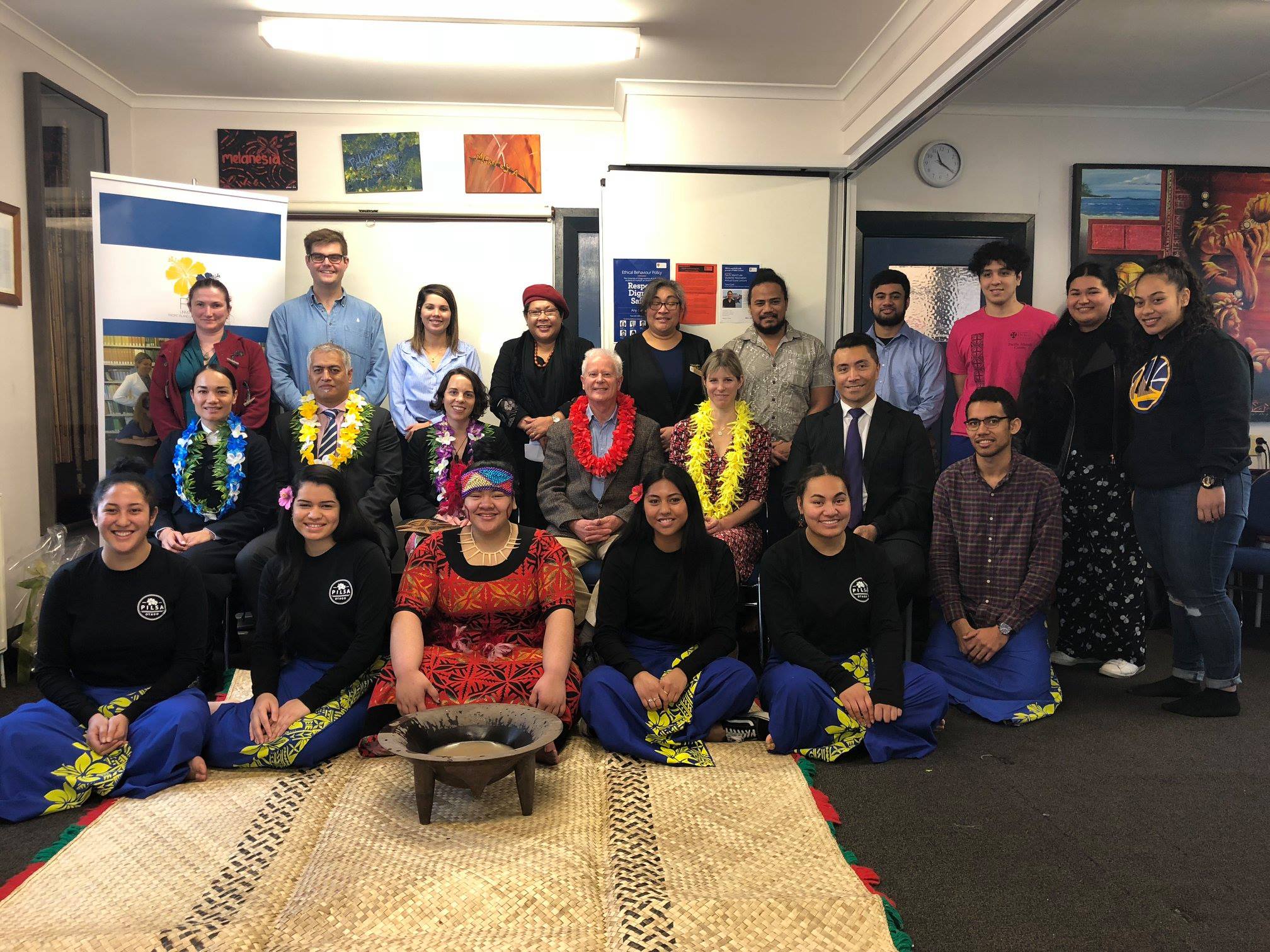
The Founding Era (1990s)
1992-1994: The Initial Concept
The concept of what would become the Dashi Historical Center first took shape in 1992. Dr. Michael Zhang, a respected historian and community elder, hosted a series of informal gatherings bringing together cultural leaders, academics, and concerned community members. These meetings revealed a shared concern: invaluable artifacts were being lost, family histories were going unrecorded, and younger generations were becoming disconnected from their cultural roots.
The group recognized that what was needed was not just a storage facility, but a living institution that could actively preserve, study, and share cultural heritage. They envisioned a center that would serve multiple functions: museum, archive, educational institution, and community gathering space. The name "Dashi" was chosen to reflect the concept of a master teacher—someone who preserves wisdom and transmits it to future generations.
1995-1996: Laying the Foundation
With the vision clarified, the practical work of building an institution began. The founding committee formalized their organization, establishing legal status as an incorporated charitable organization. They developed a constitution, recruited board members with diverse expertise, and began the challenging work of fundraising.
Initial funding came from a combination of community donations, grants from cultural preservation foundations, and support from Auckland City Council, which recognized the value of the proposed institution. The founding committee also began accepting artifact donations, storing materials in borrowed space while searching for a permanent home.
1997: Finding Our Home in Greenlane
A pivotal moment came in 1997 when the opportunity arose to acquire the building at 96 Wheturangi Road in Greenlane. The property, a heritage building with its own historical significance, required extensive renovation but offered the space and location the center needed. The building's history as a former community hall and its location in multicultural Greenlane made it symbolically perfect for the center's mission.
A major fundraising campaign was launched, with overwhelming response from both the Asian communities and the broader Auckland population. Local businesses contributed, religious organizations held fundraising events, and individuals of modest means gave what they could. The community ownership of this project was evident from the beginning.
Establishment and Early Years (1998-2005)
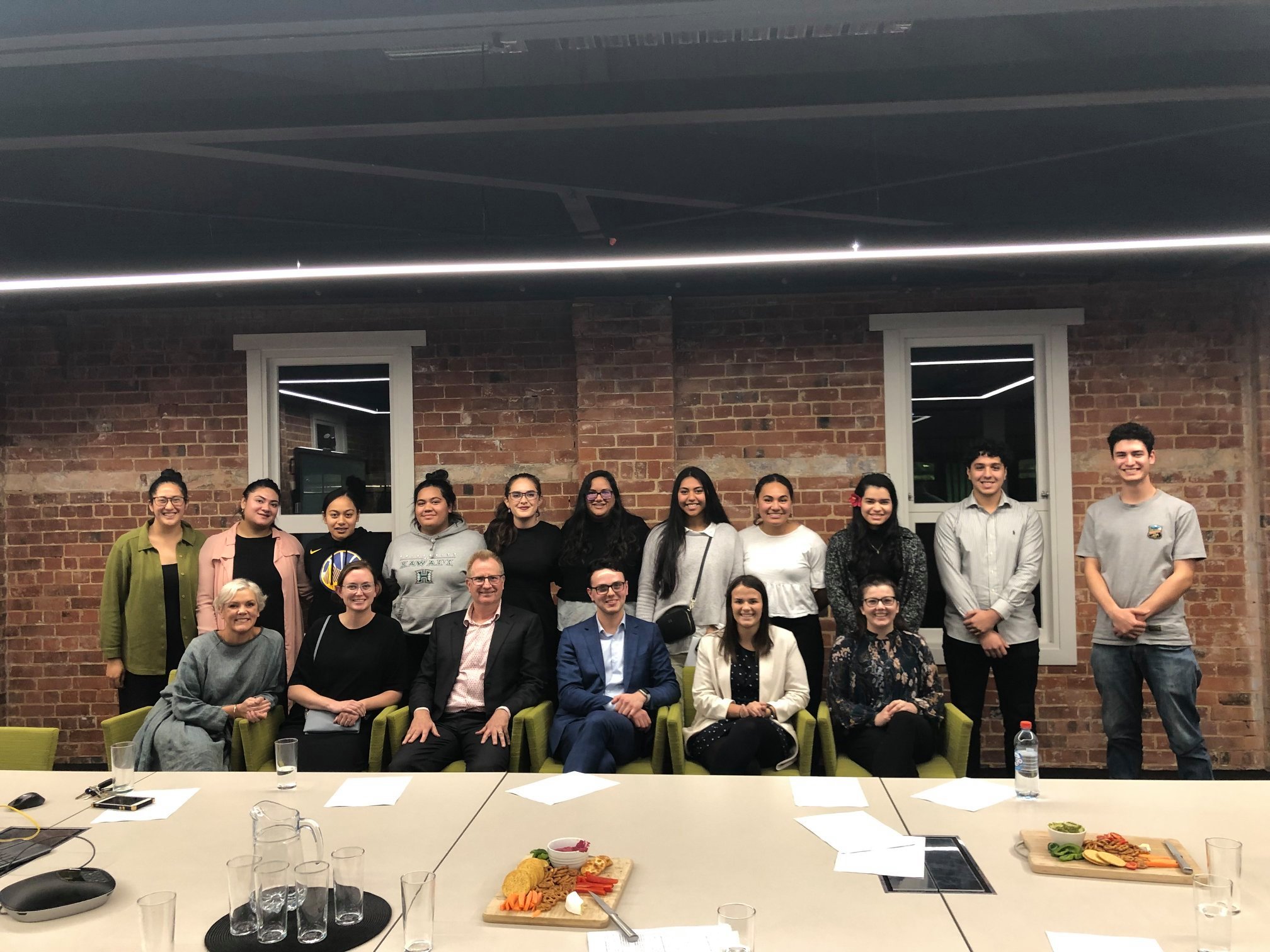
1998: Official Opening
On March 15, 1998, the Dashi Historical Center officially opened its doors to the public. The opening ceremony was attended by community leaders, government officials, cultural representatives, and hundreds of community members who had supported the project. The first exhibition featured artifacts donated by local families, each piece accompanied by the family's story of migration and settlement in New Zealand.
The initial facility was modest—three exhibition rooms, a small research library, and an office. The staff consisted of one full-time director, a part-time curator, and an administrative assistant, supported by dedicated volunteers who donated countless hours to cataloging, tour guiding, and program development.
1999-2001: Building the Collection
The center's early years focused on collection building. Word spread through community networks, and families began bringing artifacts for donation: traditional clothing, ceremonial objects, family letters, photographs, business records, and countless other items. Each donation required careful documentation, conservation assessment, and cataloging.
The center also began actively collecting oral histories, recording interviews with community elders before their stories were lost. These recordings would become invaluable resources for researchers and community members seeking to understand the immigrant experience in New Zealand.
2002-2005: Educational Programs Emerge
As the collection grew, so did the center's educational programming. School tour programs were developed in partnership with Auckland schools. Weekend workshops taught traditional crafts, languages, and cultural practices. Lecture series brought in academic experts to speak on various aspects of Asian history and culture.
The center began to be recognized beyond the Asian communities as a valuable educational resource for all Auckland residents. Teachers brought students to experience hands-on history lessons. University researchers began using the archives for academic projects. The center was fulfilling its mission of bridging cultures and generations.
Period of Growth (2006-2015)
2006-2008: Facility Expansion
Success brought new challenges. The center's collection had outgrown its storage capacity, and visitor numbers exceeded the facility's comfortable capacity. A capital campaign was launched for facility expansion, ultimately raising funds to add a new wing with additional exhibition space, expanded archive storage with proper climate control, and dedicated educational classrooms.
The expansion, completed in 2008, doubled the center's usable space and allowed for more ambitious exhibitions and programs. Modern conservation facilities were installed, ensuring that artifacts would be preserved according to international museum standards.
2009-2012: Digital Age Initiatives
Recognizing the potential of digital technology, the center embarked on ambitious digitization projects. Thousands of photographs were scanned, oral history recordings were digitized, and fragile documents were photographed to create digital surrogates. An online database was developed, making portions of the collection accessible to researchers worldwide.
The center also embraced social media and digital outreach, creating virtual exhibitions and online educational resources. This digital presence dramatically expanded the center's reach beyond Auckland.
2013-2015: International Partnerships
The center's reputation for excellence led to partnership opportunities with cultural institutions in Asia and the Pacific. Exchange programs were established, allowing artifacts to be loaned for exhibitions internationally while the center hosted traveling exhibitions from partner institutions. These partnerships enriched the center's programming and positioned it as a participant in global conversations about cultural heritage.
Recent Developments (2016-Present)
2016-2019: Community-Centered Programming
Building on its strong foundation, the center increasingly focused on community co-creation of programs and exhibitions. Community advisory councils were established to ensure diverse voices shaped the center's direction. Community curation projects invited community groups to tell their own stories through exhibitions they helped design and develop.
New programs targeted specific audiences: youth leadership development programs, elder storytelling circles, immigrant integration workshops, and cultural competency training for professionals working with diverse populations.
2020-2021: Pandemic Adaptation
The COVID-19 pandemic presented unprecedented challenges, but the center adapted with resilience. When physical visitation was impossible, the center rapidly developed virtual programming: online exhibitions, livestreamed lectures, virtual tours, and digital workshops. These innovations reached audiences who had never been able to visit in person, including international participants and those with mobility limitations.
The pandemic also highlighted the importance of documenting contemporary history. The center launched a project to collect and preserve materials documenting how Asian communities in Auckland experienced and responded to the pandemic—a valuable resource for future historians.
2022-Present: Looking Forward
Today, the Dashi Historical Center stands as a mature, professionally-operated institution while maintaining the community-centered ethos of its founding. The center continues to expand its collection, now housing over 15,000 artifacts and extensive archival materials. Annual visitor numbers exceed 25,000, with an additional global audience through digital channels.
The staff has grown to include professional curators, conservators, educators, archivists, and administrators. Volunteer involvement remains strong, with over 100 active volunteers contributing their time and expertise. The center is financially sustainable through a combination of grants, donations, earned revenue, and endowment income.
Our Legacy and Future Vision
The journey from those first meetings in 1992 to today's thriving institution represents the power of community vision and collective effort. The founding dream of creating a place where cultural heritage is preserved, celebrated, and shared has been realized beyond what those early visionaries might have imagined.
Yet the work continues. Each generation brings new stories to preserve, new challenges to address, and new opportunities to serve. The center remains committed to its founding principles while continually evolving to meet changing community needs and leverage new possibilities.
As we look to the future, we honor the dedication of our founders, the generosity of our donors and volunteers, the trust of communities who have entrusted their treasures to our care, and the engagement of visitors who continue to find meaning and inspiration in these collections.
The Dashi Historical Center's story is not merely institutional history—it is a story of community commitment to preserving the past while building a more culturally-connected future.
Timeline of Major Milestones
- 1992: Initial concept meetings convened by founding committee
- 1995: Organization formally incorporated; fundraising campaign begins
- 1997: Acquisition of 96 Wheturangi Road building in Greenlane
- 1998: Official opening of Dashi Historical Center on March 15
- 2001: Collection surpasses 1,000 artifacts; oral history program established
- 2004: Educational programs serve over 2,000 students annually
- 2008: Facility expansion completed, doubling exhibition and storage space
- 2010: Launch of digital archive and online collection database
- 2013: First international partnership established; traveling exhibition program begins
- 2015: Collection reaches 10,000 artifacts
- 2018: 20th anniversary celebration; community advisory councils established
- 2020: Virtual programming launched in response to pandemic
- 2023: Endowment fund reaches sustainability target
- 2026: Continuing to serve as Auckland's premier cultural heritage institution